
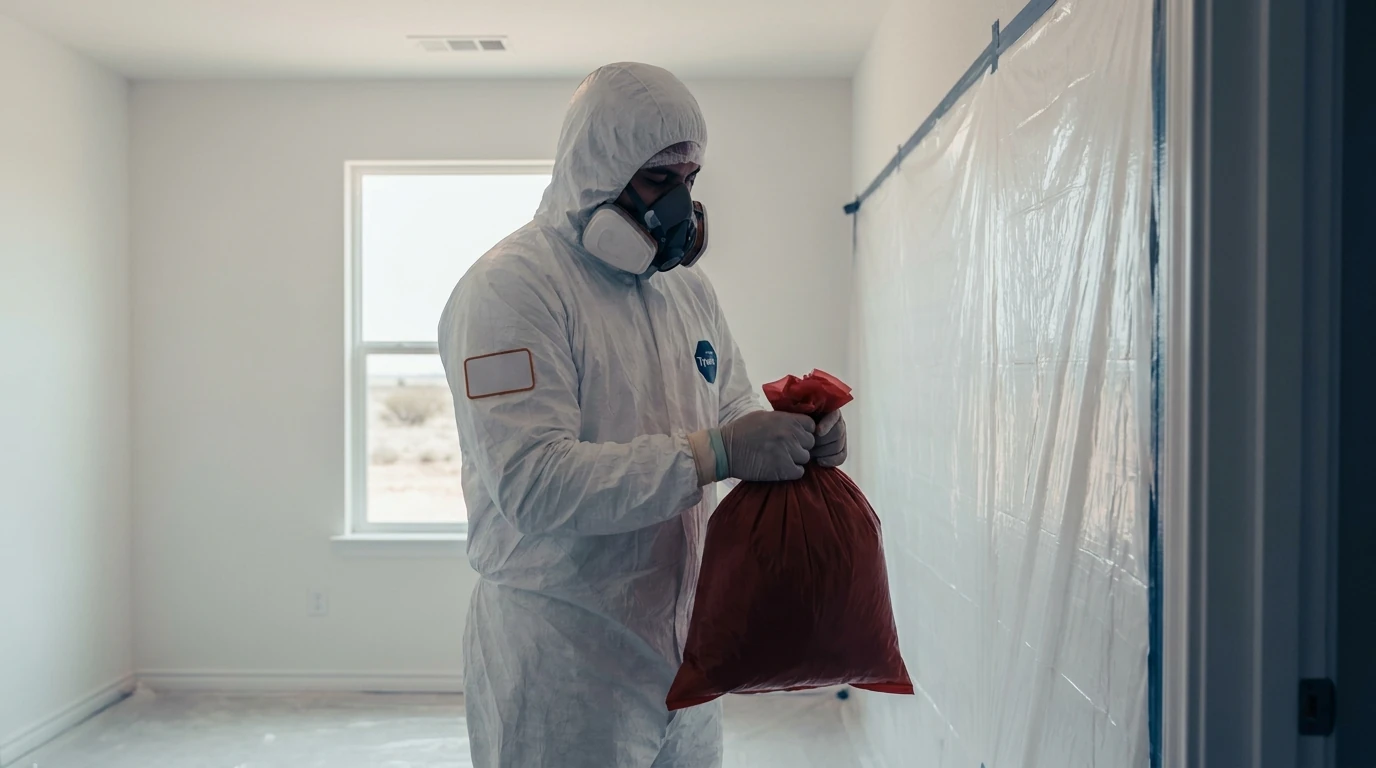
TL;DR: Bio-hazard and trauma clean up is the specialized removal and disposal of blood, bodily fluids, and other infectious material after an unattended death, accident, or crime scene. It calls for OSHA-trained technicians in sealed PPE, EPA-registered disinfectants, and proper handling of regulated medical waste, not a mop and a bottle of bleach. In Abilene, Air Care Restoration works directly with the property owner, or with the family and local authorities, and can often coordinate with the homeowner’s insurance policy on the paperwork.
If you just learned a loved one passed away alone in their Abilene home, or a rental property turned up a trauma scene after police released it, the instinct to start cleaning right away is understandable. Don’t. Bodily fluids can carry bloodborne pathogens like hepatitis B, hepatitis C, and HIV, and Texas treats cleanup waste from these scenes as regulated medical waste with specific disposal rules. Here’s what the process actually involves, who typically pays, and when to bring in a certified crew instead of handling it yourself.
What Is Bio-Hazard and Trauma Clean Up?
Bio-hazard and trauma clean up is the process of safely removing blood, bodily fluids, and contaminated materials, then disinfecting and deodorizing the affected space to a safe, livable standard. It covers unattended deaths, suicides, violent crime scenes, accidents, and situations involving decomposition.
The work follows the IICRC S540 Standard for Trauma and Crime Scene Cleanup, which sets expectations for containment, PPE, disinfection, and documentation. Technicians work in fully sealed Tyvek suits, double gloves, and respirators, because porous materials (carpet, subfloor, drywall) that have absorbed bodily fluids usually can’t be fully disinfected and have to be removed and discarded, not just wiped down.
This is not the same job as a standard cleaning service. OSHA’s bloodborne pathogens standard requires specific training, engineering controls, and disposal procedures for anyone handling this kind of contamination, which is why trauma cleanup sits with restoration and remediation companies rather than a housecleaning crew.
Who Pays for Bio-Hazard Cleanup, and Does Insurance Cover It?
Many homeowners and landlord insurance policies cover trauma and bio-hazard cleanup under their dwelling or personal property coverage, since it’s treated as sudden, unexpected damage rather than routine maintenance. Coverage details vary by carrier and policy, so this isn’t guaranteed for every situation.
What typically helps a claim move faster is documentation: photos of the affected area before work starts, an itemized scope of what was removed and disinfected, and disposal records for any regulated medical waste. A restoration company experienced with these claims can prepare that paperwork alongside the cleanup itself, which matters because adjusters often ask for it before approving payment.
If the scene involves a rental property, landlords should also check whether the policy distinguishes between damage from a tenant incident versus a medical emergency, since some policies treat those differently.
What Should You Do Before a Cleanup Crew Arrives?
The single most important step is to stay out of the affected area and avoid touching anything until trained technicians arrive. This protects you from exposure and preserves the scene for insurance documentation and, if applicable, law enforcement.
A few practical steps while you wait:
- Close off the room or area if you can do so without entering it directly.
- Avoid running fans, opening windows, or using cleaning products in the space, since airflow and chemicals can spread contamination or interfere with later disinfection.
- Photograph the area from the doorway only if it’s safe and appropriate to do so, for insurance purposes.
- Have contact information ready for your insurance carrier and, if a death occurred, any documentation from the medical examiner or police report.
Never attempt to bag, remove, or dispose of contaminated materials yourself. Regulated medical waste in Texas has specific transport and disposal requirements, and improper handling can create legal and health exposure beyond the original incident.
If you’re also weighing which company to bring in, our guide on how to choose a restoration company in Abilene covers the credentials and questions worth asking before you sign anything.
How Does the Clean Up Process Actually Work?
A bio-hazard cleanup typically moves through assessment, containment, removal, disinfection, and clearance, in that order, over one to several days depending on scope.
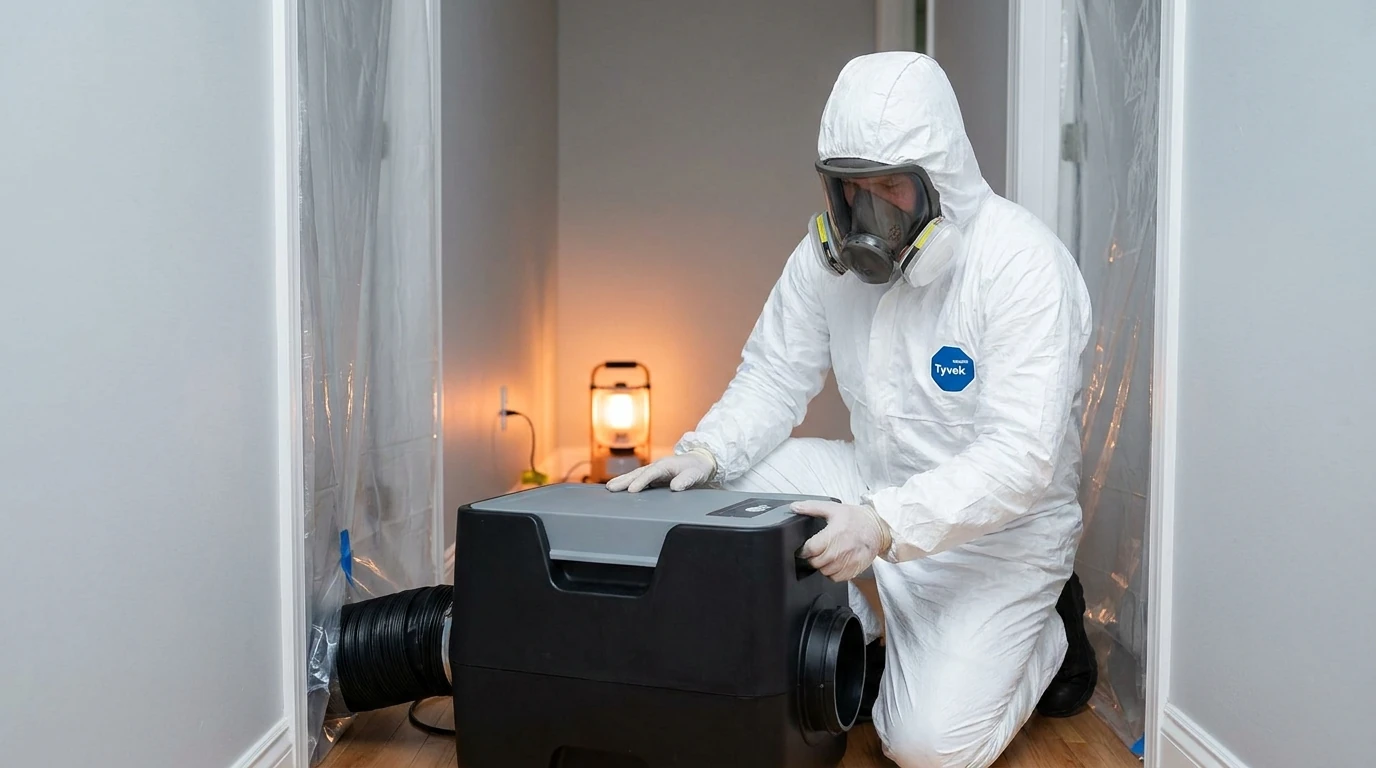
Technicians first assess the affected area to identify every surface and material that’s been contaminated, including subfloor and wall cavities fluids may have soaked into. They then seal off the space with plastic containment and set up negative air pressure where needed to keep contamination from spreading to the rest of the structure.
Contaminated porous materials get bagged as regulated medical waste and removed for proper disposal. Non-porous surfaces are cleaned with EPA-registered disinfectants rated for bloodborne pathogens, and the space is deodorized, since blood and tissue byproducts produce odors that ordinary air fresheners won’t touch. A final walkthrough confirms the space meets safety standards before anyone re-enters.
Throughout the job, a reputable crew works quietly and discreetly, parking unmarked where possible and avoiding anything that draws attention to the property, especially for families and neighbors who are already dealing with a difficult loss.
If you’re facing this situation in Abilene or the surrounding Big Country area, schedule an assessment with Air Care Restoration and a technician can walk you through the scope and next steps before any work begins.
About Air Care Restoration
Air Care Restoration is an IICRC Certified Firm serving Abilene, Texas and the surrounding Big Country region. Technicians are OSHA trained and hold IICRC credentials in water, fire and smoke, and other restoration disciplines. The company operates on a 24/7 basis and carries a 5.0 Google rating across its verified reviews. Their work follows the company’s standing approach, “Restoration with CARE,” applied to bio-hazard and trauma cleanup alongside the rest of their service lines.
Need help now? Call Air Care Restoration at (325) 339-8723.