
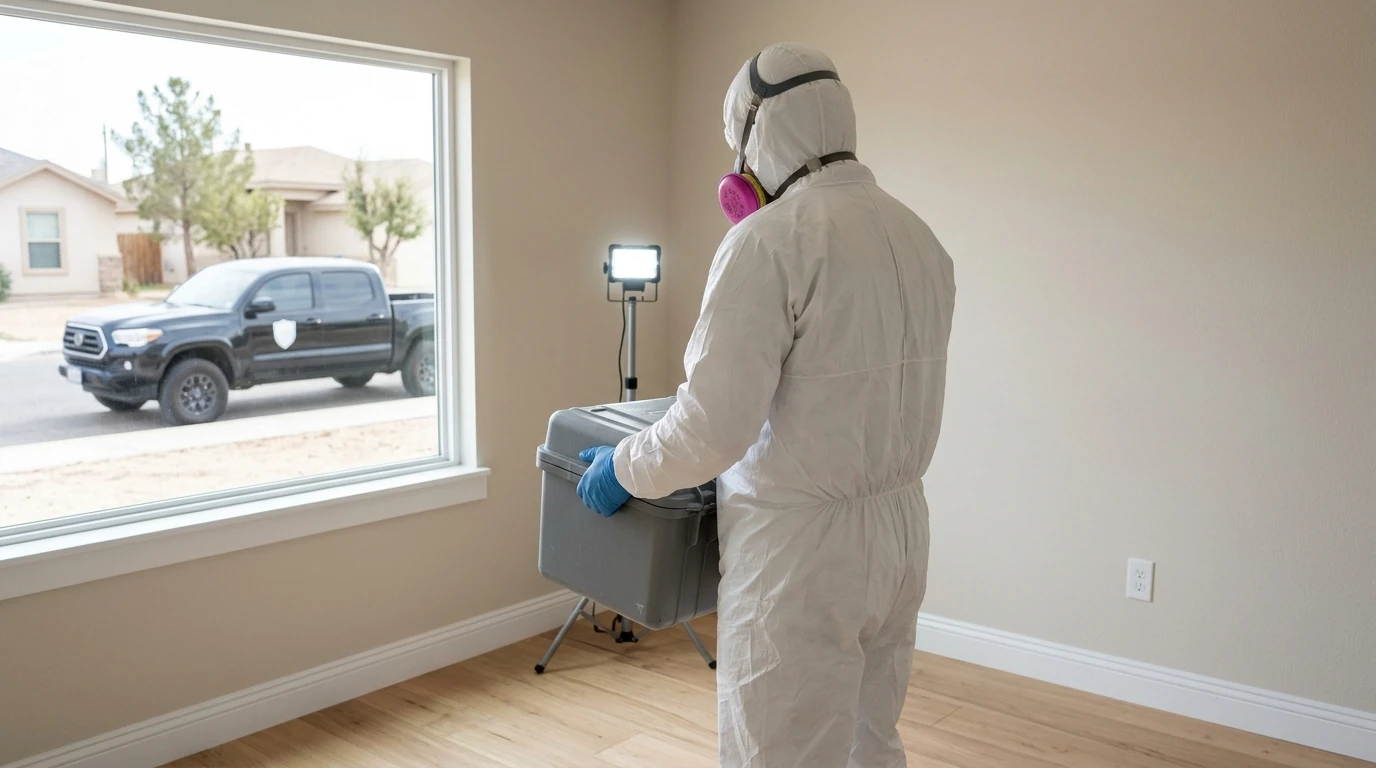
TL;DR: A qualified biohazard cleanup company in Abilene, TX should have OSHA bloodborne pathogen training, IICRC trauma and crime scene certification, a documented plan for handling contaminated materials, 24/7 dispatch, and the ability to work directly with your insurance adjuster. Ask for proof of each before anyone starts work. Air Care Restoration, an IICRC Certified Firm based in Abilene, meets every item on that list.
If you just learned that someone died in a home, a rental unit, or a business property, and you’re now searching for who actually handles what comes next, you’re not looking for a general handyman or a cleaning service with a mop and a bottle of bleach. Biohazard cleanup, whether it follows an unattended death, a violent crime, a suicide, or a serious accident, is regulated work that touches bloodborne pathogen exposure rules, medical waste handling, and usually an insurance claim, all at the same time. Here’s what actually separates a company qualified to do this work from one that just says it can.
What training and certification should a biohazard cleanup company actually have?
At minimum, every technician handling blood or bodily fluids needs OSHA bloodborne pathogen training under 29 CFR 1910.1030, and the company should be able to tell you that without hesitating. That’s the federal floor, not a bonus credential.
Above that floor sits the IICRC’s ANSI/IICRC S540 Standard for Trauma and Crime Scene Cleanup, which sets the industry process for how a scene gets assessed, contained, cleaned, and verified clean. A company whose technicians hold the IICRC Trauma and Crime Scene Technician (TCST) credential has been trained specifically for this work, not assigned to it because they happened to be free that day.
Air Care Restoration’s crews carry the IICRC Trauma and Crime Scene Technician (TCST) and Hazardous Substance Technician (HST) certifications, on top of the company’s status as an IICRC Certified Firm. Those credentials, not a general cleaning background, are what should show up when you ask who’s actually coming to the property.
What questions should you ask before hiring a biohazard cleanup crew?
Ask these four before you sign anything: who removes the contaminated materials and how, whether they document the job for your insurance adjuster, whether they bill insurance directly, and how they confirm the space is actually clean before they leave.
- Who physically removes contaminated materials, and how is it handled afterward? Texas regulates the handling and transport of contaminated waste, and a legitimate company should have a clear answer here, not a shrug.
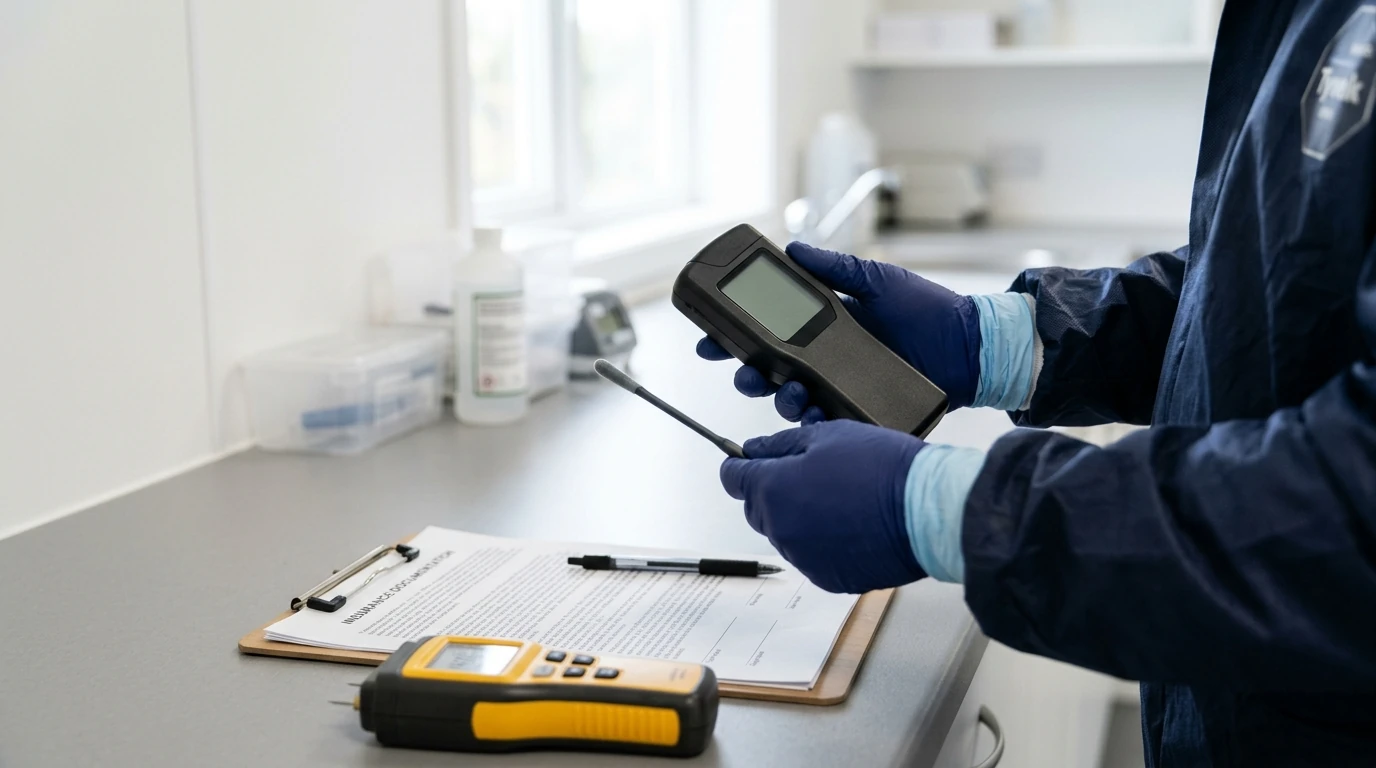
- Will they document the job with photos and a written scope? This is the paperwork your insurance adjuster will ask for. If a company can’t describe how they document a job, that’s a red flag.
- Can they bill your insurance directly, or do you pay out of pocket first? Direct billing matters a lot when you’re already dealing with a loss, financial and otherwise.
- How do they confirm the space is clean before handing it back? A visual and odor check is the minimum; ATP testing or another documented clearance method is better, and you should be able to see the result.
Air Care Restoration answers all four directly: a documented scope and photos for the claim file, direct insurance billing, a documented clearance step before the job is called finished, and an unmarked vehicle on arrival, out of respect for the people living next door.
Does it matter if the company is a local business or a national franchise?
Not inherently, and both structures can be fully qualified. What actually matters is who shows up, how fast they’re dispatched, and whether the technicians you spoke with on the phone are the same people doing the hands-on work.
A company dispatching directly from Abilene, rather than routing the call through a regional center first, generally means less time between your call and someone arriving. It also usually means the same crew handles the job from the first walkthrough to the final clearance check, which matters for continuity on a sensitive scene. Air Care Restoration dispatches 24/7 and is locally based in Abilene, serving the Big Country communities around it, including Sweetwater and Clyde.
How does insurance billing typically work for biohazard cleanup?
Many homeowners and renters policies include coverage for trauma or crime scene cleanup following a covered event, though the exact trigger, limits, and language vary by carrier and policy, as the Insurance Information Institute explains. Check your specific policy, or ask the restoration company to help you find that language.
Call your insurer as early as possible and keep any police report or other official documentation of the incident, since most carriers will ask for it. A restoration company that photographs the scene, writes a line-item scope, and communicates directly with your adjuster takes that burden off your hands at a time when you have enough to manage. Air Care Restoration handles that documentation and billing conversation directly so you’re not the one chasing paperwork.
If you’re facing this right now, request an assessment or call to talk through what you’re dealing with before you decide who to hire. For the step-by-step of what a cleanup actually involves once a crew arrives, see what to expect from biohazard and trauma cleanup. Air Care Restoration’s biohazard cleanup and trauma scene cleanup teams work under that same S540-based process, with discretion as the baseline, not an upsell. That’s what Restoration with CARE means here: careful handling of the work and of the people going through it.
About Air Care Restoration
Air Care Restoration is an IICRC Certified Firm based in Abilene, TX, holding a Texas Mold Remediation Contractor License (MRC2262) through the Texas Department of Licensing and Regulation and operating licensed and insured. Its technicians carry IICRC Trauma and Crime Scene Technician (TCST), Hazardous Substance Technician (HST), Water Restoration Technician (WRT), and Fire and Smoke Restoration Technician (FSRT) certifications, with 24/7 dispatch across Abilene and the surrounding Big Country. The company holds a 5.0 Google rating from local reviews.
Need help now? Call Air Care Restoration at (325) 339-8723.
Video Transcript
If someone has died in a property, you need more than a mop and bleach, you need a trained, regulated biohazard cleanup crew. Every technician handling blood or bodily fluids must have OSHA bloodborne pathogen training, that’s the federal minimum, not a bonus. Beyond that, look for IICRC Trauma and Crime Scene certification, the industry standard for safely assessing, cleaning, and verifying a scene. Air Care Restoration’s crews hold IICRC Trauma and Crime Scene Technician and Hazardous Substance Technician certifications, and the company is a Certified Firm based in Abilene. Before you hire anyone, ask four questions. Who removes contaminated materials, and how are they handled afterward? Will they document the job with photos and a written scope to help support your insurance claim? Can they bill your insurance directly, so you’re not paying out of pocket while you’re already dealing with loss? And how do they confirm the space is truly clean before handing it back to you? A locally dispatched crew in Abilene means faster response and the same technicians from first walkthrough to final clearance. Air Care Restoration answers every one of these questions directly. Call Air Care Restoration at (325) 339-8723 to schedule an assessment.