
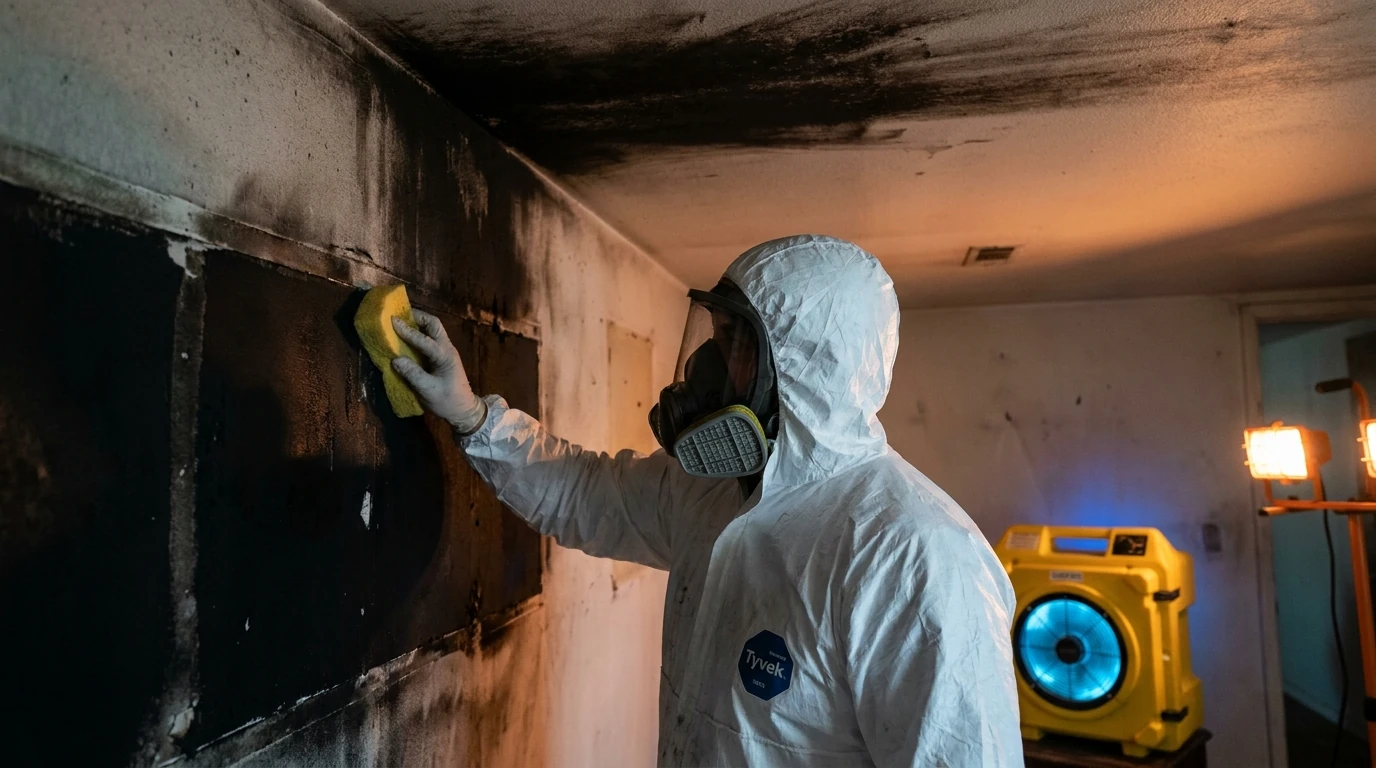
TL;DR: Fire/soot restoration is the process of removing smoke residue, neutralizing odor at its source, and repairing fire-damaged structure and contents after a fire, even a small one. It typically includes soot removal from walls and HVAC systems, odor treatment, content cleaning or storage, and reconstruction of damaged areas. Most of the cost runs through a homeowners or commercial property insurance claim.
If a kitchen grease fire, an electrical fire in a wall cavity, or a neighbor’s fire that pushed smoke into your Abilene home just happened, the flames were probably the easy part to understand. The soot and odor left behind are the part that confuses people, and the part that gets missed by a quick cleanup. Soot is acidic and it migrates into carpet fibers, HVAC ductwork, and porous drywall long after the fire department leaves. That is what fire/soot restoration actually addresses.
What does fire/soot restoration actually include?
Fire/soot restoration covers four linked jobs: removing soot residue from every affected surface, neutralizing the smoke odor at the molecular level, cleaning or storing damaged contents, and rebuilding what has to come out (drywall, insulation, flooring, sometimes framing).
A fire restoration crew working under the IICRC S700 standard for fire and smoke restoration starts with an assessment that classifies the type of smoke residue (protein, wet smoke, dry smoke, or fuel oil soot) because each one responds to a different cleaning agent. Wet smoke from a smoldering fire leaves a thick, smeary residue that needs degreasing agents. Dry smoke from a fast, hot fire leaves a powdery residue that a wrong cleaner can smear into the drywall instead of lifting it off.
Our fire damage restoration process post walks through this in more depth if you want the full phase-by-phase breakdown.
How is soot actually removed from walls, ceilings, and contents?
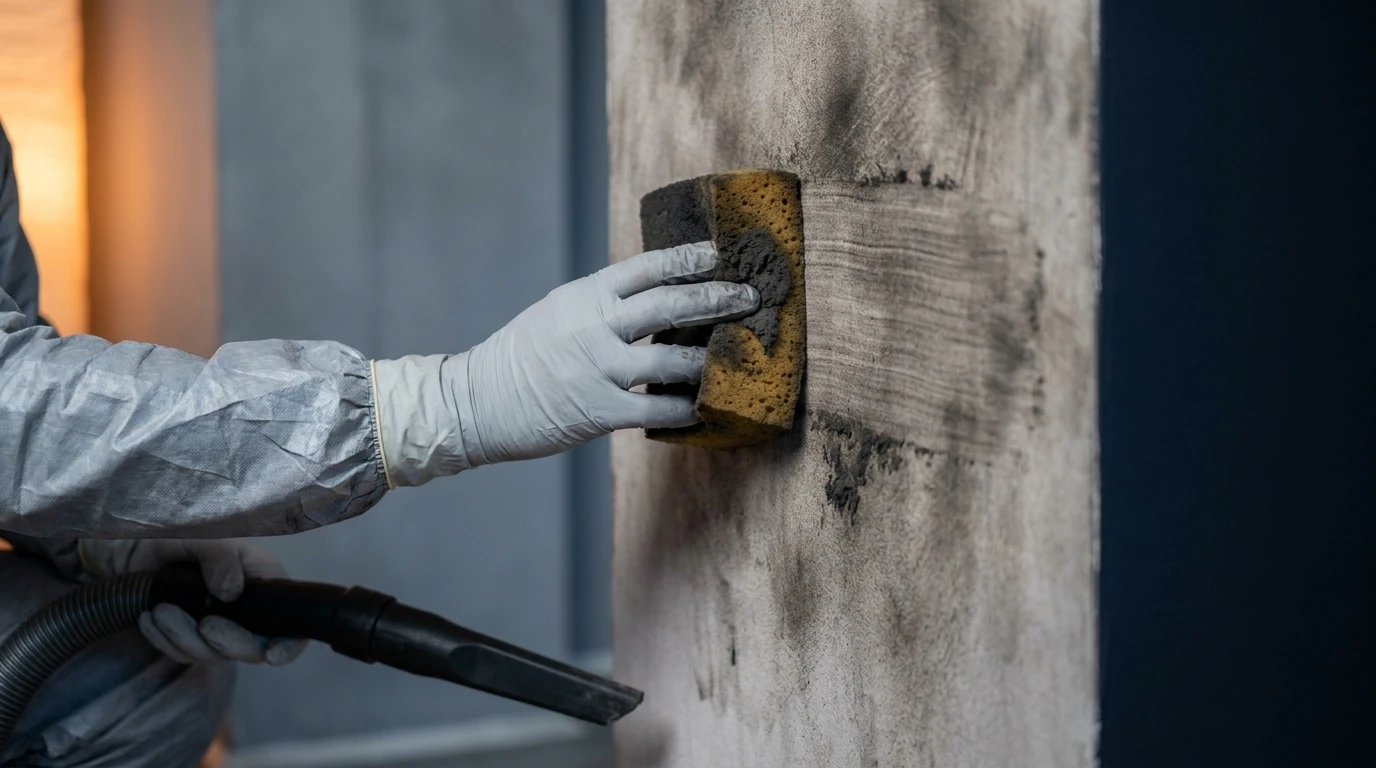
Soot removal starts with dry cleaning methods, chemical sponges and HEPA vacuums, before any wet cleaning touches the surface, because water or standard cleaners can set soot permanently into paint and drywall.
Technicians work top to bottom, since soot settles downward. Ceilings and upper walls get vacuumed with a HEPA-filtered unit first, then wiped with a dry chemical sponge that lifts residue without smearing it. Only after the dry pass is wet cleaning (mild alkaline or solvent-based agents, depending on the residue type) used on surfaces that can tolerate it. Porous materials, drywall, insulation, carpet padding, usually cannot be fully restored and get removed and replaced instead.
HVAC ductwork is a separate problem that’s easy to miss. Soot and odor particles get pulled through the return air and recirculated through the whole house every time the system runs. Duct cleaning after a fire is not optional if the system ran during or shortly after the fire; it’s the difference between odor that returns in a week and odor that stays gone.
Contents, furniture, electronics, clothing, documents, get triaged on site: cleanable items go through specialized techniques (ultrasonic cleaning for small items, ozone or thermal fogging chambers for fabrics), and anything salvageable but needing time is documented and moved to secure storage while the structure is rebuilt.
What mistakes make soot and odor damage worse, or slow down the insurance claim?
The most common mistake is trying to wipe soot off with a household all-purpose cleaner or a damp rag, which smears the residue into the surface and makes it permanent instead of removing it. If you only do one thing before a crew arrives, don’t touch the walls.
Running the HVAC system after a fire is another one. It feels like a reasonable way to clear the smell, but it spreads soot particles through every room the ductwork reaches, turning a contained problem into a whole-house one.
On the insurance side, the biggest slowdown is starting cleanup before documentation happens. Adjusters need photos and a written scope of the pre-cleanup condition to approve the claim at its full scope. A crew that photographs and documents before touching anything protects your claim; a crew (or a well-meaning family member) that starts scrubbing first can leave you arguing over what was really damaged.
Ozone generators deserve a caution here too. They’re sometimes marketed as a fast odor fix, but the EPA has flagged that ozone at levels effective for odor removal is not safe to breathe, which is why professional crews run them only in unoccupied spaces with a controlled re-entry period, never as a quick spray-and-done treatment.
What should you do first if you have fire or soot damage in Abilene?
Call your insurance carrier to open the claim, then get a restoration crew out to document and begin mitigation before anyone starts cleaning on their own. In Abilene and the surrounding Big Country, that often means board-up or tarping first, especially if a window blew out or the fire department opened the roof for ventilation, so the structure isn’t exposed to wind and dust while the rest of the work gets scheduled.
Ask any crew you’re considering two direct questions: do they hold IICRC Fire and Smoke Restoration Technician (FSRT) certification, and will they provide a written scope of work before cleaning begins. Both protect you if the insurance conversation gets complicated later.
Air Care Restoration is an IICRC Certified Firm with FSRT and WRT certification and answers 24/7, which matters for fire calls specifically because board-up and odor containment are time-sensitive, not something that can wait until Monday. Request a fire damage assessment or call to get a crew documenting the loss today.
Fire and soot damage rarely stays contained to the room where it started. The sooner the residue and odor are addressed with the right methods, the less of your home ends up on the demolition list. A documented, methodical response protects both the structure and the claim.
About Air Care Restoration
Air Care Restoration is an IICRC Certified Firm serving Abilene, TX and the surrounding Big Country region, including Sweetwater, Clyde, Merkel, and Anson. The team holds IICRC WRT and FSRT certifications and is licensed and insured, with 24/7 availability for fire, smoke, and water emergencies. This post was prepared with input from the Air Care Restoration team.
Need help now? Call Air Care Restoration at (325) 339-8723.